Life Lessons
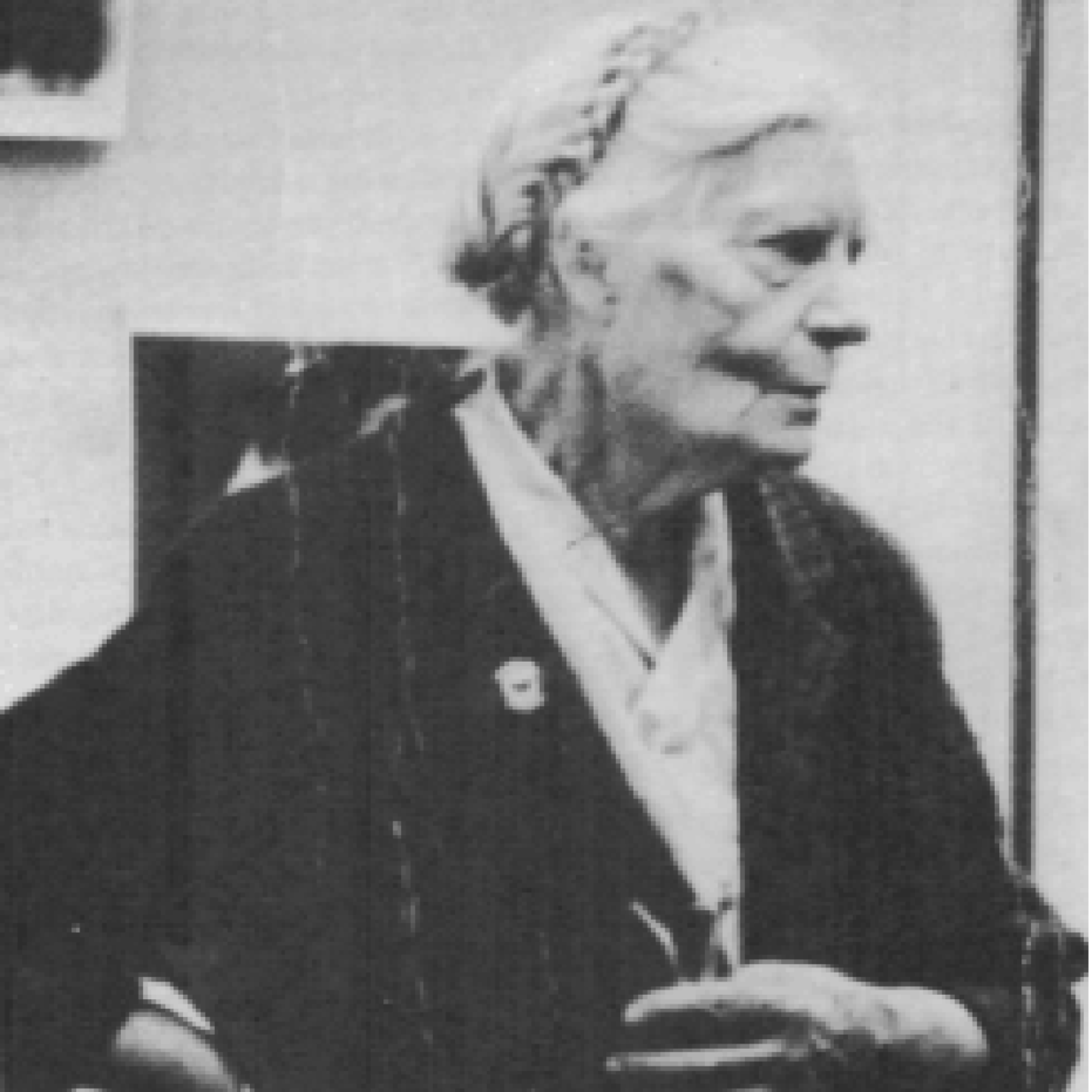
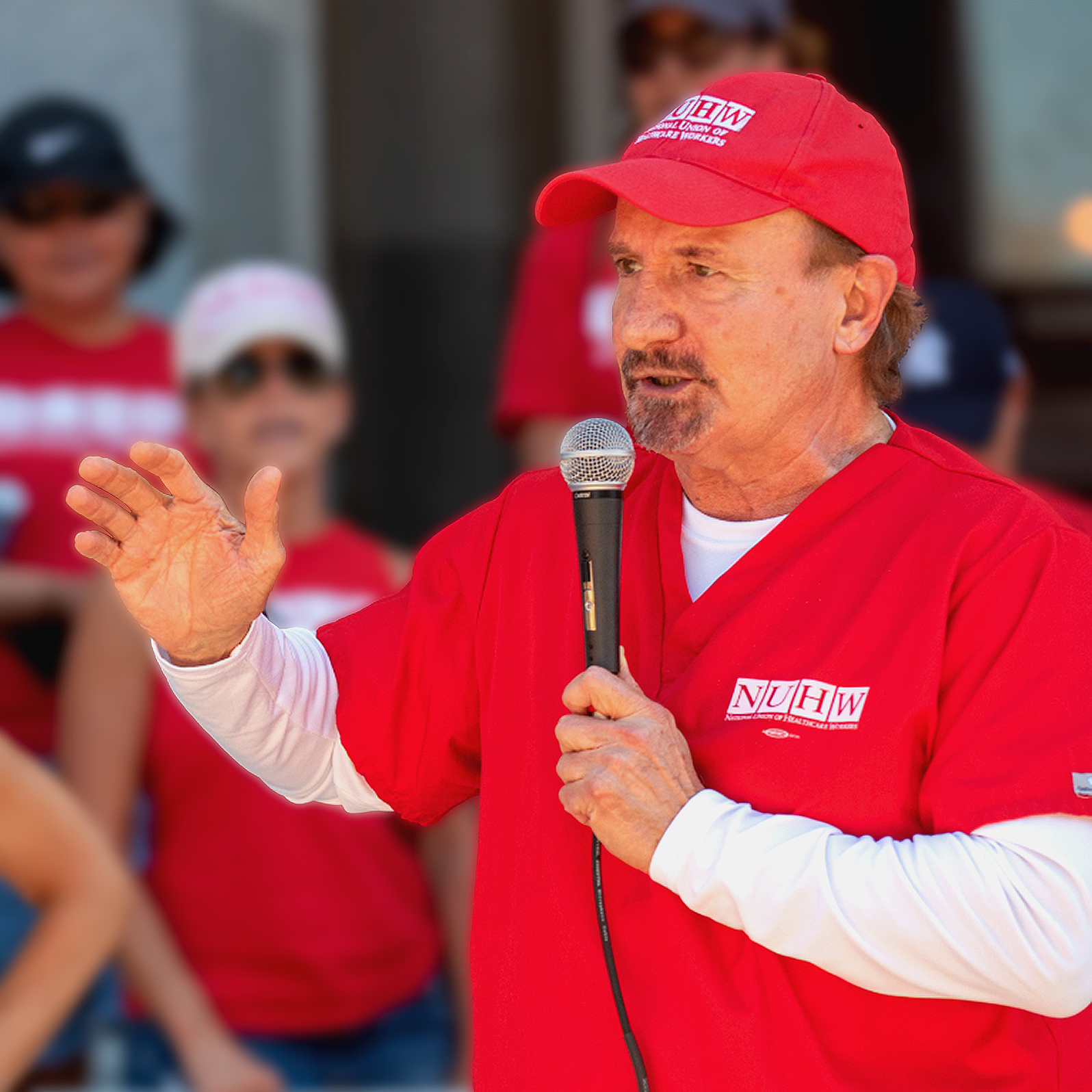
From the very beginning, Dorothy Day and the Catholic Worker movement championed the dignity of the worker and the cause of labor. How happy we are to have Sal Rosselli, longtime union leader, "break bread" in this column inviting personal reflections on Dorothy Day’s impact. Sal is the former president of SEIU California and is the founder/president emeritus of the National Union of Healthcare Workers (NUHW).
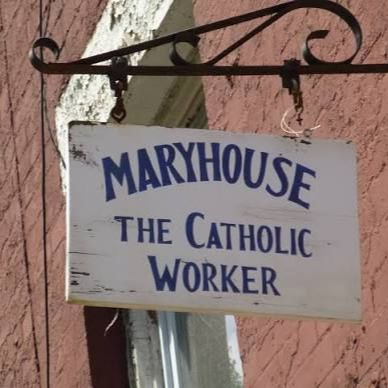
Like so many of the people I met at the Catholic Worker house in the Bowery, I arrived in 1969 trying to better understand myself and the world around me.
I was nineteen years old and had just been expelled from Niagara University for organizing protests against the school’s mandatory ROTC program. The protest was successful, but my reward was a five-hour car ride home to Albany, NY, with my father, who refused to say a word to me.
My father had insisted that I attend Niagara, and we wouldn’t talk again for quite some time. Suddenly, I was a college drop-out who didn’t feel at home with his family. A friend told me about Dorothy Day, so I packed my bags for the city. What did I have to lose?
I loved it from the start. Every day, I woke up at 5 a.m. and chopped vegetables to feed hundreds of people. Later in the day I’d sell the Catholic Worker paper outside St. Patrick’s Cathedral. It only cost a penny.
There’s a famous scene in The Karate Kid where Daniel expects Mr. Miyagi to teach him karate, but instead Miyagi makes him spend days painting his house, waxing his car, and sanding his floors. It’s only later that Daniel realizes that the work not only helped him develop patience and trust, but that the movements he learned through that manual labor were the building blocks of karate.
That’s how I look back on my months at St. Joseph’s House on the Bowery. Technically, I was chopping vegetables and feeding the poor. In reality, I was developing a moral code; grasping what service leadership is all about; and starting to understand what really mattered in life.
And I learned it all from Dorothy Day.
So many of my memories from that time are hazy nearly sixty years later. But there’s one recollection I have of her that will always be crystal clear because I often think about it.
One of the older residents of the house raised money for the group’s activism by cleaning apartments on Manhattan’s posh Upper West Side. One morning, when I went to turn on the lights in the center’s kitchen, she was standing there collecting roaches in a bottle.
I asked her what she was doing, and she told me she had been treated poorly by one of her rich clients, so she was collecting roaches to release in their home.
My nineteen-year-old self found this hilarious. I told everyone about it. Then Dorothy Day called for me. She was sitting on her bed, perfectly calm, and she chastised me in the nicest way. She told me that revenge is not acceptable. “It’s just a waste of energy and a waste of one’s spirit.”
At the Catholic Worker, most lessons were learned by doing the work. They revealed themselves through time and practice — the importance of humility and service over money and power.
But this life lesson was a punch in the gut, and it helped make me a better person.
I forget the bad things. I don’t hold grudges. As a leader of healthcare unions — an exceedingly confrontational line of work — for more than forty years, Dorothy Day’s lesson has helped sustain me through many trials and tribulations.
Coming to live at the Worker was akin to a pilgrimage for so many of the people I met there. It was an opportunity to be in a sacred place where you could put your beliefs into practice and live according to your highest virtues.
My stay started me on a long journey of self-discovery, and Dorothy Day helped guide that journey. I took her up on her recommendation to join Volunteers in Service to America (VISTA), which led me to a community service project in rural Indiana, and eventually to California.
My introduction to labor unions was at the Worker, where we observed the grape strike called by the United Farm Workers.
As I rose through the ranks of the labor movement, I tried to model myself after Dorothy Day. It was never about making money; it was about serving those who needed help and helping to empower them to one day help others. Doing the right thing isn't easy, but it’s all the reward anyone needs.
Share this post